Christmas Dreaming: A Playful Display Font for Festive Web Design
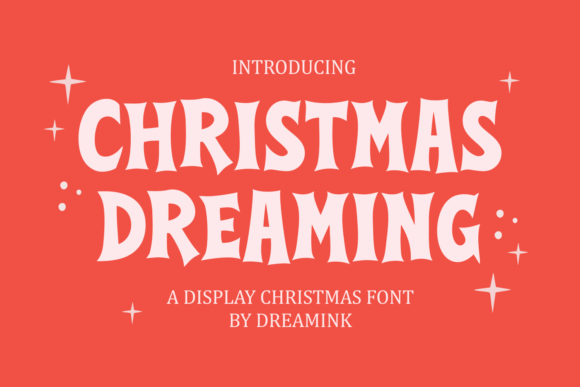
When you are looking to inject holiday spirit into your digital projects, Christmas Dreaming stands out as a versatile and charming addition to any designer’s toolkit. This playful and festive display font brings warmth and joy to your holiday projects, making it an ideal choice for web designers who want to create memorable, seasonal experiences without sacrificing professional quality. With its bold, wavy shapes and cheerful charm, it’s perfect for Christmas cards, invitations, and—crucially for our audience—the dynamic layouts of modern websites.
As a web designer, I often struggle to find display fonts that balance whimsy with readability on screens. Many decorative typefaces look great in print but become illegible or visually chaotic when scaled for mobile devices or overlaid on complex backgrounds. Christmas Dreaming, however, offers a unique solution. Its distinct character shapes provide enough visual interest to capture attention while maintaining the structural integrity needed for clear communication. Whether you are building a landing page for a boutique online store or designing a hero section for a creative agency’s holiday campaign, this font helps establish a tone that is both inviting and polished.
Christmas Dreaming for Hero Sections and Landing Page Headers
The first impression of a website is critical, especially during the high-traffic holiday season. Using Christmas Dreaming in your hero sections allows you to immediately communicate the festive theme while guiding the user’s eye toward your primary call-to-action (CTA). Because this is a Display font, it is designed to be seen, not read in long paragraphs. Its bold, wavy shapes create a natural focal point that breaks the monotony of standard sans-serif headers.
For example, if you are designing a product launch page for a limited-edition holiday gift set, setting the main headline in Christmas Dreaming adds an instant layer of personality. It suggests celebration and exclusivity. However, effective web design relies on hierarchy. To ensure conversion-focused layouts remain usable, pair Christmas Dreaming with a clean, neutral sans-serif font for subheadings and body copy. This contrast ensures that while the header grabs attention, the supporting text remains easy to scan. On smaller screens, consider reducing the font size slightly or increasing letter spacing to maintain legibility, ensuring that the "cheerful charm" of the letters does not compromise accessibility.
Christmas Dreaming for Online Store Banners and Product Cards
E-commerce sites require a delicate balance between aesthetic appeal and functional clarity. When integrating Christmas Dreaming into online shop banners, it serves as an excellent tool for highlighting special offers, sale events, or seasonal collections. The font’s festive nature aligns perfectly with the emotional drivers of holiday shopping, creating a sense of urgency wrapped in warmth.
Consider using this font for short phrases within product cards, such as "Gift Guide," "Best Seller," or "Holiday Special." These micro-copy elements benefit from the decorative style because they act as visual anchors rather than informational blocks. For button text, however, exercise caution. While Christmas Dreaming can work for large, prominent buttons, its wavy shapes may reduce click-through rates if the text becomes too difficult to recognize quickly. In these cases, use the font for the banner above the button, keeping the CTA itself in a more utilitarian typeface to guide user behavior effectively.
Christmas Dreaming for Email Marketing and Digital Invitations
Digital marketing campaigns during December demand high engagement, and typography plays a pivotal role in open rates and click-throughs. Since Christmas Dreaming is described as being perfect for Christmas cards and invitations, it translates seamlessly to email headers and digital save-the-date graphics. When designing HTML emails, web designers must account for varying client rendering engines. Fortunately, the bold nature of this Display font tends to render consistently across most modern email clients, provided you use web-safe fallbacks.
Use Christmas Dreaming to create a cohesive brand identity across your holiday communications. If your website uses this font for its main banner, mirroring it in your email newsletter reinforces brand recognition. For digital invitations sent via web links or embedded in newsletters, the font’s cheerful charm enhances the perceived value of the event or offer. Just remember to limit usage to titles and key announcements; overusing decorative fonts in email body text can lead to poor readability and higher unsubscribe rates.
Christmas Dreaming for Social Media Graphics and Ad Creatives
In the fast-paced environment of social media feeds, static images and video ads have mere seconds to capture attention. Christmas Dreaming excels in this arena due to its high visual impact. When creating assets for platforms like Instagram, Pinterest, or Facebook Ads, incorporating this font allows your graphics to stand out against the clutter of standard content.
For ad creatives, pair Christmas Dreaming with strong, contrasting background colors to maximize visibility. The wavy shapes of the letters can add a dynamic feel to otherwise static images, suggesting movement and energy. This is particularly effective for promoting holiday sales or event registrations. As a digital product creator, you might also consider offering templates or mockups featuring Christmas Dreaming as part of a larger design asset pack, providing value to other creators who need quick, festive solutions for their own client projects.
Font Pairing Strategies for Festive Web Experiences
To fully leverage the potential of Christmas Dreaming, strategic font pairing is essential. A common mistake in web design is letting decorative fonts compete with body text, leading to a disjointed user experience. Instead, treat Christmas Dreaming as the accent voice in your typographic hierarchy. Pair it with a highly readable sans-serif font like Inter, Roboto, or Open Sans for paragraphs and navigation menus. This combination balances the "playful and festive" nature of the display font with the "professionalism" required for trust-building.
For brands aiming for a more editorial or luxurious digital identity, you might pair Christmas Dreaming with a classic serif font. This creates a sophisticated contrast where the whimsical display font adds a touch of modern flair to traditional elegance. Regardless of the pairing, always test your combinations at various screen sizes. Ensure that the weight and style of Christmas Dreaming do not overwhelm the layout rhythm, especially on mobile devices where space is at a premium.
Licensing and Implementation for Commercial Projects
Before deploying Christmas Dreaming on live websites or in commercial products, it is crucial to review the licensing terms. Most premium fonts come with specific guidelines regarding webfont embedding, desktop use, and commercial applications. As a web designer, you should verify whether the license includes webfont files (WOFF/WOFF2) or if you need to purchase a separate web license. Proper licensing protects you and your clients from legal issues, especially when using the font in client projects, online stores, or digital templates sold to third parties.
Additionally, check for included styles, alternates, and multilingual support. While Christmas Dreaming is primarily designed for English-speaking audiences due to its specific stylistic flourishes, understanding its full character set helps in planning international versions of your site. By carefully selecting and implementing this Display font, you enhance the visual hierarchy and brand tone of your digital presence, ensuring that your holiday projects resonate with warmth, joy, and professional excellence.